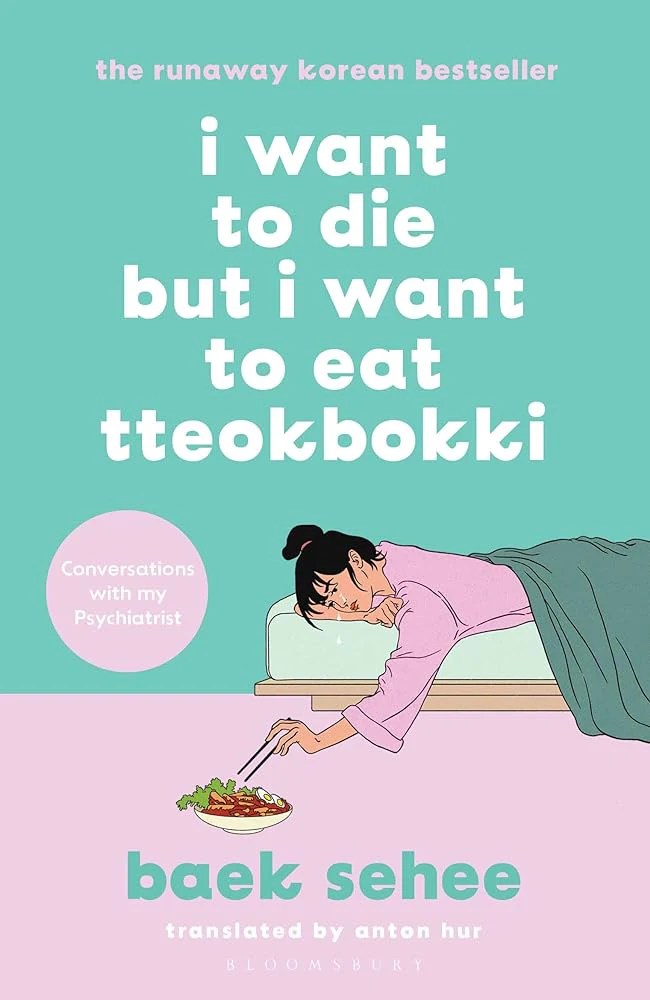
Recording her dialogues with her psychiatrist, and expanding on each session with her own reflective micro-essays, Baek begins to disentangle the feedback loops, knee-jerk reactions, and harmful behaviors that keep her locked in a cycle of self-abuse.
Our July book club discussion is about I Want to Die, But I Want to Eat Ttteokbokki, an intimate therapy memoir by South Korean writer Baek Sehee. We talk about dysthymia, black and white thinking, beauty standards, the stigma of help seeking in East Asian cultures, and a questionable psychiatrist.
Content notes
Major depression, suicidal ideation, invalidating mental health professionals, psychiatric medications, histrionic personality disorder
Buy the Book
Thank you to our book club partners, Amplify Bookstore, who are offering 10% off the book (or book club bundle) with the code NOVELFEELINGS10.
Listen to our review
Listen on Apple, Spotify, or your favourite pod player, or stream here.
Join the Conversation
Visit our Facebook community page to join in the conversation.
Detailed Show Notes
About the Book
Baek Sehee is a successful young social media director at a publishing house when she begins seeing a psychiatrist about her – what to call it? – depression? She feels persistently low, anxious, endlessly self-doubting, but also highly judgmental of others. She hides her feelings well at work and with friends, performing the calmness her lifestyle demands.
Recording her dialogues with her psychiatrist over a twelve-week period, and expanding on each session with her own reflective micro-essays, Baek begins to disentangle the feedback loops, knee-jerk reactions, and harmful behaviors that keep her locked in a cycle of self-abuse.
About the Author
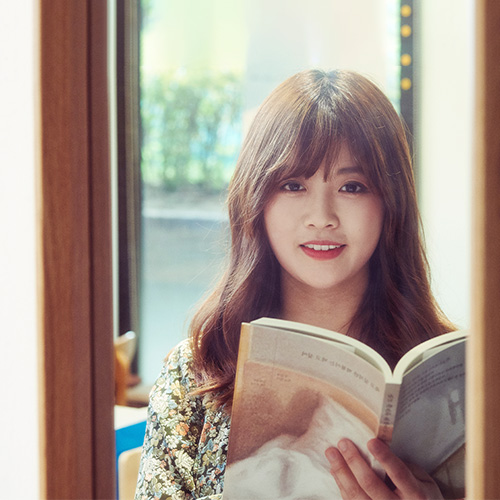
Born in 1990, Baek Sehee studied creative writing in university before working for five years at a publishing house. For ten years, she received psychiatric treatment for dysthymia (persistent mild depression), which became the subject of her essays, and then I Want to Die but I Want to Eat Tteokbokki, books one and two. Her favorite food is tteokbokki, and she lives with her rescue dog.
Our Thoughts
We both walked away with mixed feelings about I Want to Die, But I Want to Eat Tteokbokki. It’s a fascinating choice to present therapy transcripts to the public, and we appreciated the author’s honesty and vulnerability to share her experiences. Considering the stigma of talking about mental ill-health in East Asian countries, we expect this book may help encourage readers to seek help if they need it, and have courageous conversations.
However, the raw presentation of transcripts takes away much context, including tone of voice, emotions, and even a sense of time and place. This made it difficult to stay engaged in the narrative, and connect with the conversations. We questioned many of the psychiatrist’s choices in the therapy sessions, including moments of invalidation and missed opportunities to dive beyond the surface level of Baek Sehee’s experiences. Although this may be indicative of some people’s experience with therapy, as mental health professionals ourselves, we would make different choices if we were in the room!
Book Club Discussion Questions
- What did you think of Sehee’s choice to present the therapy transcripts with minimal description or contextual information?
- Were there any moments of self-reflection, insight or clarity in the memoir that stood out to you?
- As psychologists ourselves, we tend to be (overly?) critical of mental health professionals presented in media. What did you think of the psychiatrist, and their approach to Sehee’s treatment?
- In the episode, we discuss Korean beauty standards, and talk about increasingly difficult beauty standards for women in other countries including Australia. In your country, do you think that beauty standards have become more difficult to attain – or impossible – in the last few years?
- One of our favourite moments was when Sehee reflected on what her younger self would think of her present self. What’s something about present you that would impress your younger self?
- The title suggests that tteokbokki is something that brings Sehee joy even in dark times. What is something that does this for you?
Resources
- Black and white thinking
- Dysthymia (persistent depressive disorder)
- Body image
- Korean beauty standards & plastic surgery trends – video essay by Mina Le
Support The Show
Has Novel Feelings entertained you, or taught you something? Show your support with a once-off donation by buying us a coffee. All proceeds go towards making the show stronger and more sustainable for the future.
We record our podcast on Wurundjeri Land, which is home to both of us in Naarm/Melbourne. We also acknowledge the role of storytelling in First Nations communities. Always was, always will be Aboriginal Land.
 Novel Feelings
One thought on “July Book Club: I Want to Die, But I Want to Eat Tteokbokki by Baek Sehee (S4E4)”