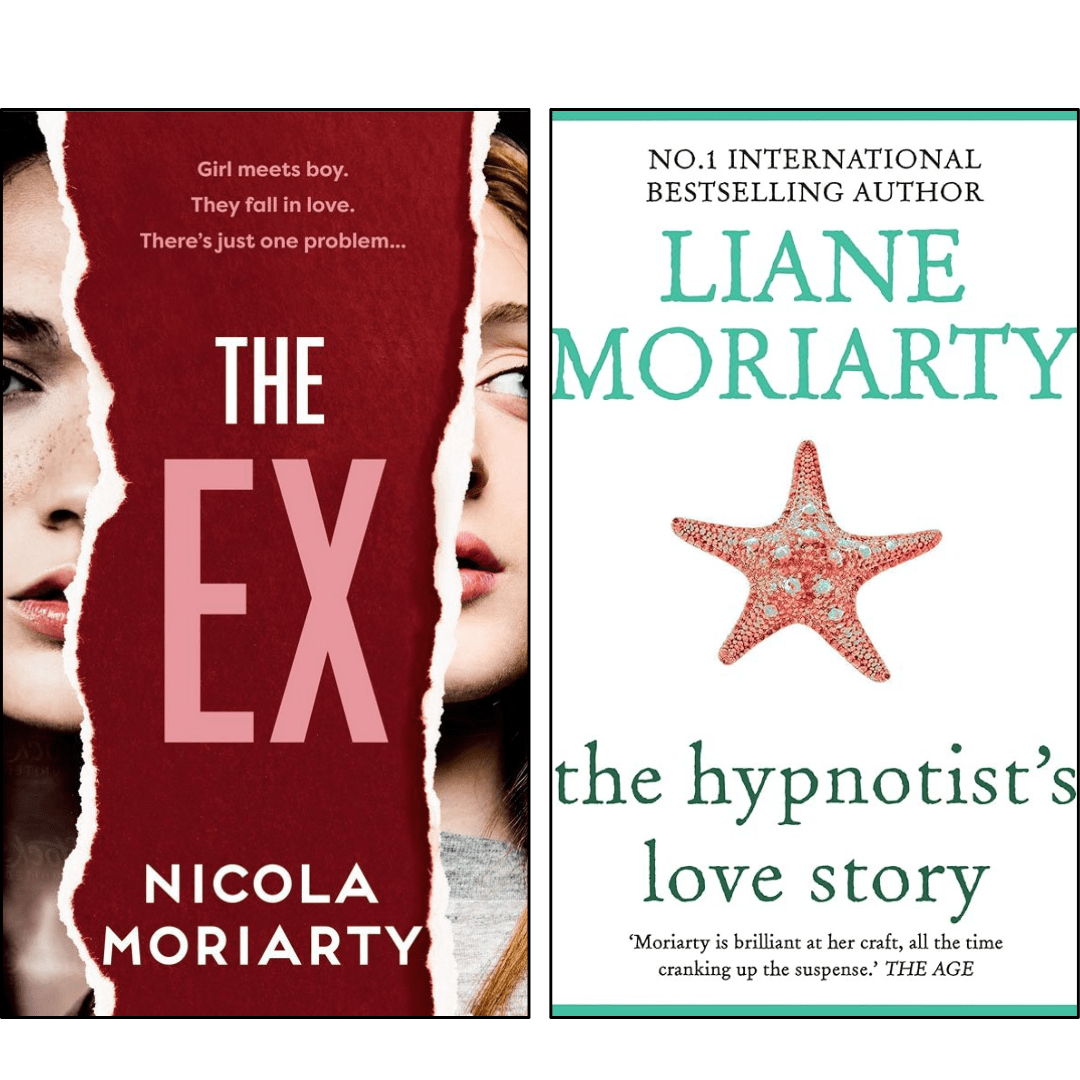
I am a fan of both Liane Moriarty and Nicola Moriarty; they both write the sort of books that I tend to devour, and I love both of their writings. I had never compared their work (as a woman with a sister, I know the particular pain of such comparison), until I finished reading Nicola’s The Ex. I realised then that both Nicola and Liane have written stories using (and deconstructing) the trope of the ‘crazy ex-girlfriend’. I’ve been reflecting on both takes and have some thoughts. Spoilers ahead!
If you’re unfamiliar, this trope is essentially about a woman who can’t handle the fact that she’s been broken up with. She is manipulative, controlling, stalkerish, and sometimes will do anything to get their ex-partner back and get rid of the new woman. My all-time favourite deconstruction of this trope is the TV show, Crazy Ex-Girlfriend. Both The Ex and The Hypnotist’s Love Story examines the nuances of this trope in interesting ways.
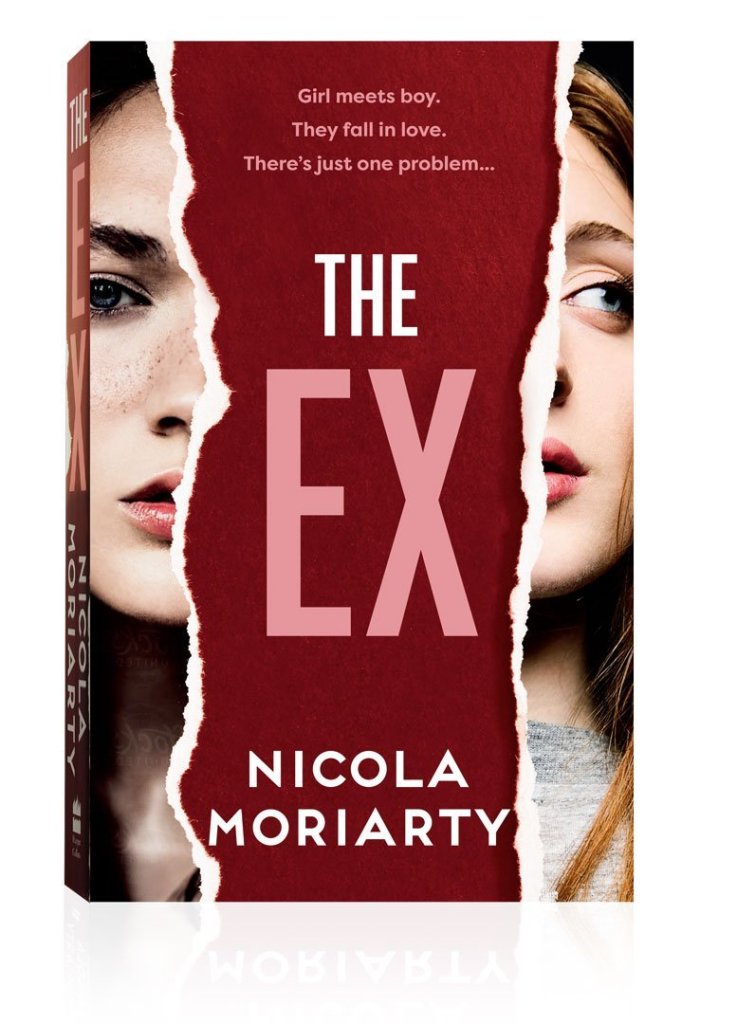
The Ex follows Georgia as she falls in love with Luke, who makes her feel loved and safe. The problem is that Luke’s ex-girlfriend is having trouble moving on, and her attempts to hold on to Luke keep getting more and more threatening as the story unfolds. When Georgia confronts Cadence, however, both women start to discover that it was Luke all along. Although he told Georgia that he’s broken up with Cadence, he hasn’t; he tells one that he’s travelling for work when he visits the other. He pretends to Georgia that he’s receiving texts from Cadence while she’s watching them, when Cadence has no idea Georgia exists. He tells both women that his fancy apartment is under renovation and so he needs somewhere to live for a while, and effectively lives rent-free at their houses. He tells Cadence that she’s too anxious to handle things and starts getting her supposedly natural medication, which later turns out to be some heavy-duty medication that had serious impacts on Cadence’s mental health. Later, he attempts to murder Georgia. It is revealed that he targeted Georgia because she had refused his advances, which led to his dismissal from his company. So, the real villain in The Ex is misogyny.
The Hypnotist’s Love Story follows Ellen, a hypnotherapist who falls in love with a man named Patrick. Things seem to be going well when Patrick tells her that his ex-girlfriend is stalking him. Ellen is actually a little intrigued and would be interested to meet her. But actually, Ellen has already met her. Patrick’s ex-girlfriend, Saskia, was posing as a client. Unlike in The Ex, Saskia is a real stalker. She follows Patrick and his son (and in time, Ellen) around, and sends texts to Patrick letting him know that she’s around. At one point, she breaks into Ellen’s house and bakes cookies (this was made interesting because it was written from Saskia’s perspective). Interestingly, we get chapters from her perspective, which explain why she is doing such things and struggling so much to let go. There is no misogyny (not to my memory, and not to the extent Luke displays anyway), but we learn that Patrick (who had been widowed before he met Saskia) has not dealt well with his grief. He threw himself into the relationship with Saskia, and Saskia essentially made him and his son her world. When Patrick broke up with her, Saskia stayed in a state of grief and disbelief and was unable to move on.
In a way, The Ex‘s take is more predictable, but perhaps it is predictable because it can be true (see: the stats on the violence against women in Australia). The unmasking of Luke and the revelations of all of his deceit and manipulation were frightening, even more so when I considered how likely such a pattern can happen in real life. Laid out in the paragraph above, Luke’s action may sound extreme, but as a thriller, the build-up is effective; I wanted to hide behind my fingers and couldn’t look away at the same time.
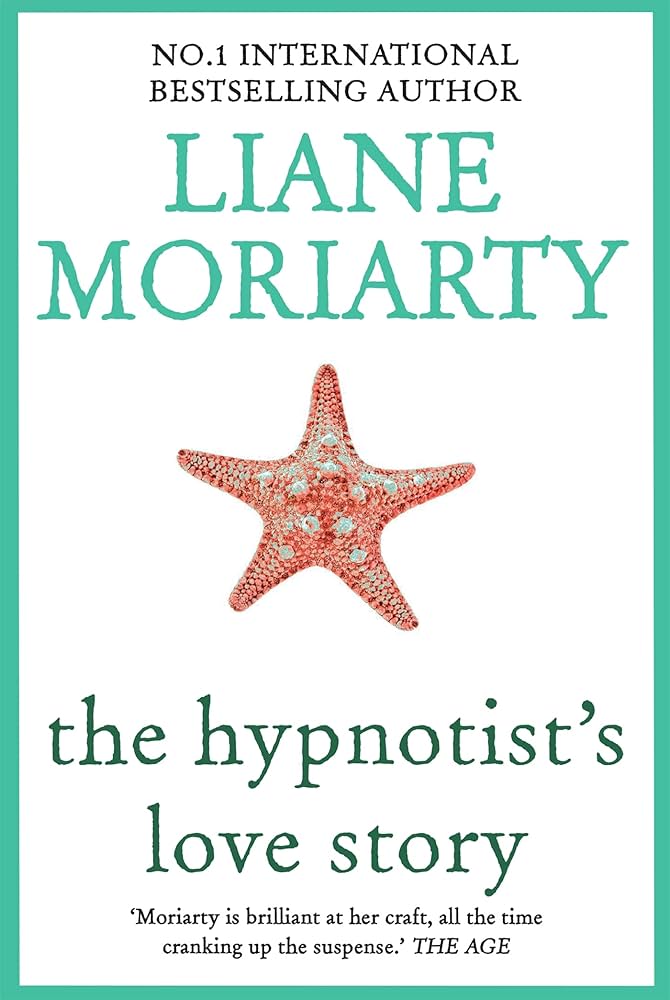
The Hypnotist’s Love Story offers more nuance in its exploration of the trope. It’s not one of my favorites of Liane’s books for other reasons (see my definitive ranking here, sans Here One Moment), but I did enjoy having some insight into Saskia and her decisions. It is a tightrope to manage: the story asks for us to both understand that the things Saskia has done were not okay, but also spare some understanding – if not sympathy – for her.
As I said at the top of this post, I know what it’s like to be directly compared to my sister, so I will offer the conclusion that I’d like people to come to if they ever compare me to my sister: both books have their strengths, and each will have their fans and detractors. I like the shades of grey that was given to Saskia and having to reflect on, if I were Ellen, how I would feel towards her. On the other hand, The Ex hits on the dark reality of gaslighting and coercive control.
As Rachel Bloom would say, the situation is often more nuanced than just a ‘crazy ex-girlfriend’, and I think both The Hypnotist’s Love Story and The Ex have done a good job in looking beyond the surface of this trope. Which you prefer may depend on your interests as a reader.
 Novel Feelings