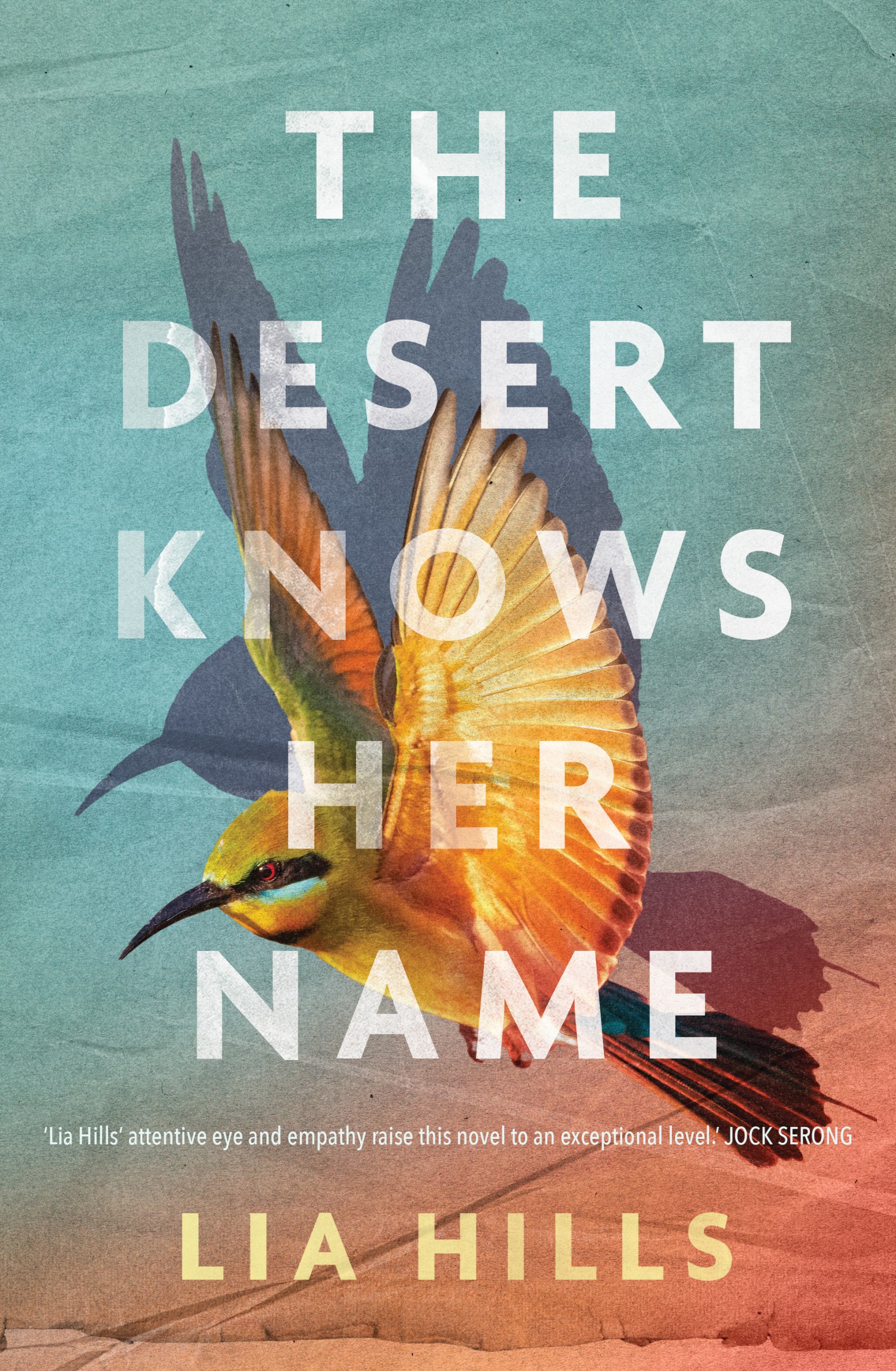
In Lia Hills’ new novel, a girl walks barefoot out of the Wimmera desert, near the small town of Gatyekarr, on a hot October afternoon. She finds sanctuary with Beth, a regenerative farmer and collector of seeds, devoted to bringing her family’s farm back to life.
The arrival of the mysterious ‘desert girl’ unsettles the community and old tensions erupt. The longer the girl stays silent, the more volatile the town becomes. Who is she and what does her presence mean?
Review
The central mystery of The Desert Knows Her Name is the identity of the girl who walks out of the desert and into a small town. However, to me, the most fascinating part about The Desert Knows Her Name is not necessarily the ‘desert girl’ herself, but rather the way those who encounter her impose their own meanings and stories upon her. Curiosity and rumours become myths to some; to others, she’s a ghost from the past. The town of Gatyekarr is fictional, but the dark parts of its history reflect Australia’s often violent history when it comes to the treatment of Indigenous people by colonisers. (It is clarified in the story that the girl is not Indigenous, but her appearance triggers memories of a particular event in the town’s history to do with Indigenious people.) The book is respectful in its reflection of the past, and Lia Hills’ acknowledgments at the end of the book indicate how much research and thought had gone into the writing.
Lia Hills’ poetic writing evokes the very specific environment of an Australian desert and rural town. I know nothing about the animals or plants mentioned in the book, but I can almost feel the atmosphere and hear the people. The writing style also lends itself well to reflective moments for the main characters, Beth and Nate, and we get a good sense of their inner selves throughout the story.
On the other hand, sometimes I felt that this style of writing means the plot became a little lost. It is a personal preference, but I found myself skipping over sentences to scan for information that advances the plot. I don’t know if I’ve missed essential information or if we were never meant to get the full answers, but I got to the end still not knowing the answer to the questions about the girl’s identity.
All in all, The Desert Knows Her Name tells a story of Australia’s past that should be told more often. Readers who love evocative writing and stories grounded in a strong sense of place will enjoy this book.
Thank you to Affirm Press for providing a copy in exchange for a review.
Review by Priscilla
 Novel Feelings