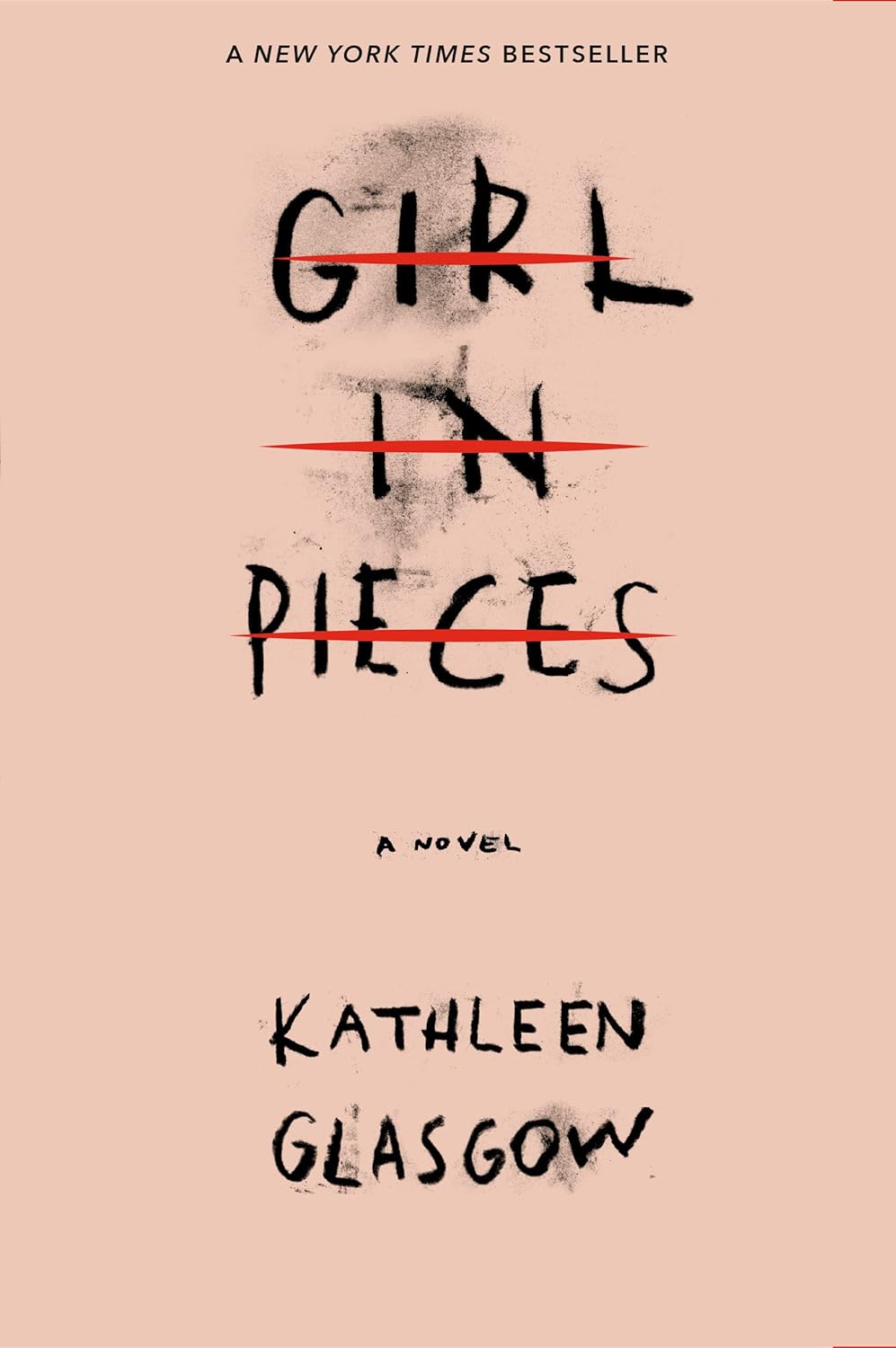
How do you pick up the pieces after life has served you enough trauma for a lifetime?
Charlotte, aged 17, is trying to recover in a world that owes her nothing, but has taken so much. In our season 3 finale, we dive into Girl in Pieces‘ representations of self-harm, hospitalisation, and unhealthy relationships, and ask the big question: does this book risk doing more harm than good?
Please note that after this episode, we are going on hiatus for at least 6 months, but hope to bring back our podcast review episodes for season 4 later in 2024! In the meantime, why not give us some feedback about the podcast and our blog? It only takes a few minutes, and no signup/personal details are collected.
Mental health topics covered: Non-suicidal self-injury (predominantly via cutting), PTSD, homelessness/poverty, alcohol and drug use, unhealthy relationships, suicide, unethical mental health professionals
Listen to the podcast:
About the Book
Charlotte Davis is in pieces. At seventeen she’s already lost more than most people do in a lifetime. But she’s learned how to forget. The broken glass washes away the sorrow until there is nothing but calm. You don’t have to think about your father and the river. Your best friend, who is gone forever. Or your mother, who has nothing left to give you.
Every new scar hardens Charlie’s heart just a little more, yet it still hurts so much. It hurts enough to not care anymore, which is sometimes what has to happen before you can find your way back from the edge.
A deeply moving portrait of a girl in a world that owes her nothing, and has taken so much, and the journey she undergoes to put herself back together. Kathleen Glasgow’s debut is heartbreakingly real and unflinchingly honest. It’s a story you won’t be able to look away from.
About the author
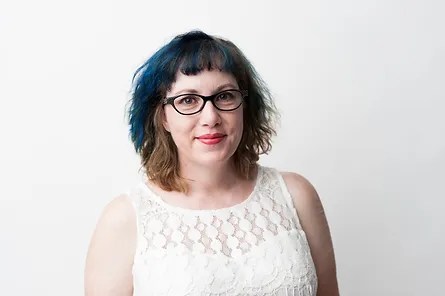
Kathleen Glasgow is the #1 New York Times bestselling author of Girl in Pieces, You’d Be Home Now, and How to Make Friends With the Dark, as well as the coauthor of the bestselling mystery series, The Agathas and The Night in Question. Her books have been published in more than 30 countries.
Our Thoughts
We know a lot of young readers find validation in this book. And no wonder: Glasgow writes about the impacts of trauma, and the thoughts and emotions behind self-harm, in a nuanced and realistic way. Her lived experience undoubtedly informs her writing and characterisation. We see Charlotte through the ups and downs of recovery; the book does an excellent job at highlighting all of the different situational factors that contribute towards mental health issues, and accessibility issues relating to mental health treatment.
But we had some issues with the graphic nature of the self-harm, which could definitely be triggering for some readers. Her experience with treatment leans into many negative therapy tropes. Her traumatic experiences also felt relentless. There is a note of hope at the end, but we wonder if these issues could still be explored – and powerful for readers with similar experiences – without so much shock value.
Discussion Questions
- Did this book challenge any ideas you had about self-harm, suicide, or addiction?
- How do you personally feel about graphic depictions of self-harm or suicide in books? When might they go a step too far?
- What are your thoughts about Riley and Charlie’s relationship?
- Mental health struggles such as self-harm, addiction, and depression are portrayed in various ways through the different characters in the book, like Linus and Blue. Is there a minor character whose story you were curious about, or particularly enjoyed?
- What are some other books that capture the emotional intensity of being a teenager?
Resources
- Information about NSSI and coping toolkits
- Information about managing alcohol and drug use for young people
- Signs of a good therapist
- Our Novel Tropes: Bad Therapy episode
- Mindframe Guidelines for Stage and Screen (about fiction portrayals for suicide and mental health concerns)
 Novel Feelings